Infamy, Infamy… They All Have It In For Me!
That famous line from the 1964 British comedy Carry On Cleo came to mind as I sat down to write this blog.
Supply chains rightly expect payment, so in a sense they all have it “in for me” and for everyone working in finance, shared services and accounts payable. Thankfully, that’s not a bad thing.
After all, nobody chooses a career in shared services, accounts payable or finance operations because they don’t want to pay suppliers. Quite the opposite. We all recognise the importance of our supply chain partners and want to ensure they are paid accurately and on time.
Yet despite the best intentions, supplier payment is rarely as straightforward as it should be.
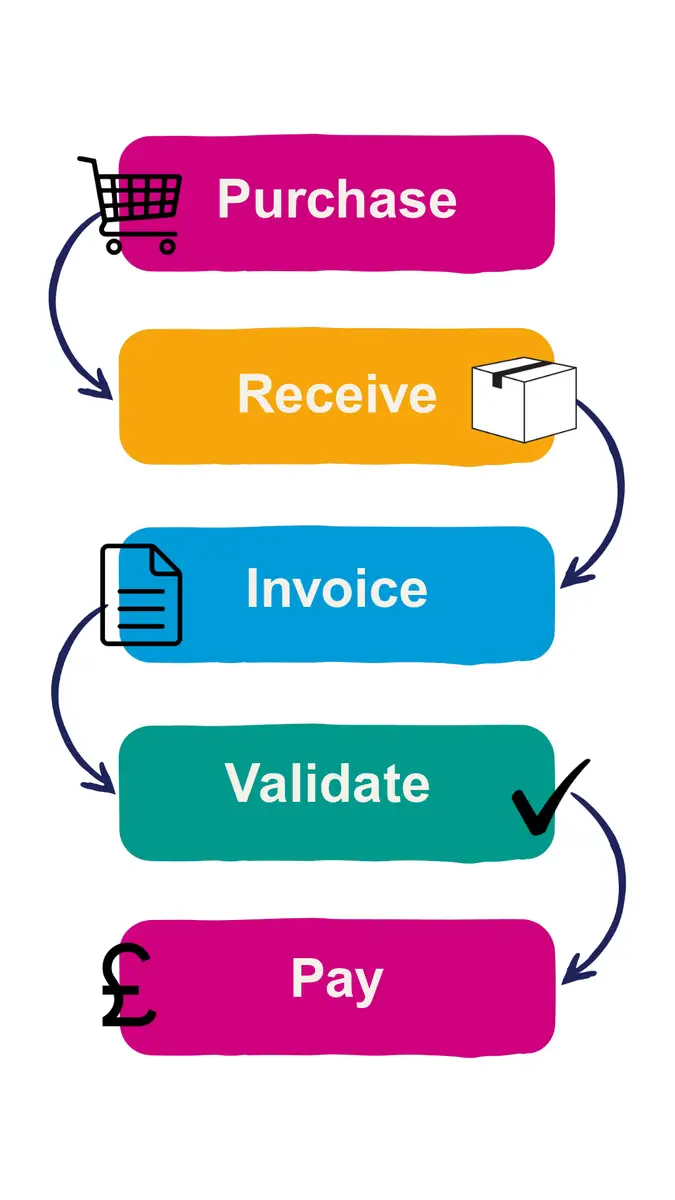
In theory, the process looks simple enough. A commitment to purchase is made, goods or services are received, an invoice arrives, validation takes place and, hey presto, the invoice is paid on the next scheduled payment run.
If only reality were that simple.
A multitude of issues can disrupt what should be a straightforward process. No purchase order. The wrong purchase order. Invoices sent to the incorrect legal entity. Tax treatment discrepancies. Missing goods receipts. Workflow bottlenecks. A lack of focus on payment exceptions. Individually these may appear minor, but collectively they can bring an otherwise efficient end-to-end process to a grinding halt.
The consequence is usually rework.
And rework is expensive.
Resolving an exception can often take two or three times longer than processing an invoice correctly the first time. Every additional touchpoint consumes time, effort and resources that could be better spent elsewhere. Which raises an important question: who ultimately pays for this waste? The buying organisation, the supplier, or both?
The larger an organisation becomes, the more resources it should theoretically have available to ensure suppliers are paid on time and in full. Yet history has shown us that size alone is no guarantee of payment performance. We have all seen large organisations collapse, leaving behind substantial numbers of unsecured creditors and suppliers facing significant financial hardship.
Cash, of course, sits at the centre of everything.
We are often reminded that sales are vanity and profit is sanity. In my view, however, cash is reality. It is king, queen, jack and ace every single time.

When cash becomes constrained, organisations inevitably face difficult choices and competing priorities. Unfortunately, suppliers who do not shout the loudest can sometimes find themselves waiting the longest. For smaller businesses in particular, the impact of delayed payment can be profound, affecting cash flow, operational resilience and, in some cases, the personal wellbeing of those running the organisation.
The encouraging news is that many of these challenges are not people problems, they are process and technology problems. Advances in AI, e-invoicing, intelligent workflow automation and connected ERP ecosystems are creating opportunities to prevent errors before they happen rather than fixing them afterwards.
Imagine a world where an incorrect purchase order is identified before an invoice is submitted. Where supplier records are automatically validated, tax treatment is checked in real time, missing goods receipts are proactively flagged and approval bottlenecks are dynamically escalated before payment due dates are at risk. Increasingly, that future is becoming reality.
Rather than deploying more people to chase exceptions, future finance functions will deploy intelligent technology to eliminate them. The focus will shift from exception management to exception prevention, reducing rework, improving right-first-time processing and enabling suppliers to be paid more quickly and predictably.
In that future, accounts payable teams spend less time firefighting and more time delivering insights, strengthening supplier relationships and supporting strategic business priorities.
And for the supplier, it’s a game changer as the invoice will be right so the reasons not to pay dissipate while greater and more transparent reporting on SME payments will highlight those on the right – and wrong – side of the partnership and collaboration.
That is why doing the right thing matters.
Paying suppliers promptly is not simply an administrative activity. It is a reflection of how seriously an organisation values its supply chain relationships. It requires commitment, discipline and often considerable effort to navigate the inevitable exceptions while maintaining appropriate controls and governance.
As the UK prepares for the Commercial Payments Bill and the ongoing delivery of the £725 billion infrastructure investment programme over the next decade, there has never been a more important time for major organisations to strengthen relationships with their supply chains.
The organisations that make supplier payment a priority will be better positioned to attract trusted partners, build resilience and secure capacity when demand increases. Those that do not may discover that, when they need support most, their suppliers have already chosen to sit elsewhere. And that’s when it becomes a rather lonely trip to the cinema, watching the latest blockbuster on your own while the competition enjoys the VIP seats at the back.
As Michael Corleone said to his brother Sonny in the 1972 classic, The Godfather … “It’s not personal, it’s strictly business”.
Author bio

Dan Foley is Kier Group’s Finance Shared Services Director and responsible for supply chain payment and lead for Kier’s support to the Fair Payment Code. Dan was the inaugural recipient of the 2026 Fair Payment Leaders award for providing thought leadership and support to drive enhanced supply chain collaboration as well as practical advice to those on the payment improvements journey.